
Even a brief walk post-meal can help support the body and mind
A short walk, especially after a meal, is a powerful tool in helping the body both physically and mentally. While it can be easy to underestimate a short walk as a form of exercise, Karen Studer, MD, chair of the Department of Preventive Medicine at Loma Linda University Health, says that a few minutes of movement, especially after a meal, can play a meaningful role in the body physically and mentally.
“Walking 10 – 30 minutes after eating helps the body process food, regulate blood sugar, and support overall well-being,” Studer says.
When we walk, our muscle cells automatically open up to let sugar in, which is especially helpful for people with insulin resistance, type 2 diabetes, and PCOS.
By helping muscles absorb glucose more efficiently, a post-meal walk can prevent large spikes in blood sugar levels that typically occur after eating.
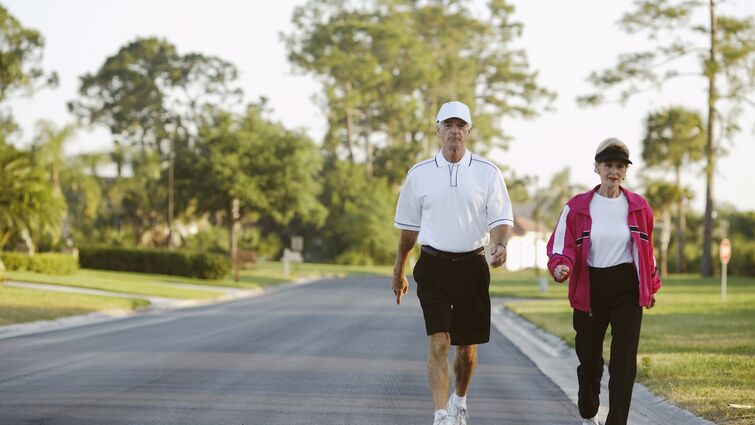
Additionally, walking is an effective way to spend time as a family, which can decrease screen time and increase time with loved ones. Outdoor walking, especially in the sunshine, helps to regulate the body’s circadian rhythm, which can improve sleep and help with depression.
“When we walk in nature, our blood pressure goes down, heart rate goes down, immunity is boosted, and our stress hormones go down,” Studer says.
Tips for starting a routine
To get started with a walking routine after meals, Studer recommends aiming for five minutes a day.
“Start slowly, see how you feel, then increase your time by five minutes to work up what you think your body can handle,” Studer says.
For most of us, it’s getting started that is the most difficult. However, once you get out of the door and start walking, it is easier to keep going. Studer offers the following tips to make post-meal walks part of daily life.
Preparation: Ensure you have a safe area to walk in and appropriate shoes. Having your walking shoes at the door is a great way to prepare in advance and get your brain ready.
Start Small: If you aren’t used to walking after a meal, start out with small, manageable goals. For example, you may want to choose every Monday night after dinner to walk to the mailbox, or down the street and back. The more specific a destination, the better.
Accountability: It’s always helpful to have an accountability partner, such as a family member or neighbor. Even talking on the phone with a friend while you walk counts as accountability.
Pace: For additional heart benefits, walking at a pace where you can talk but not sing is a good sign that you’re getting a good workout. But it's important to work your way up to a pace you’re comfortable with. Remember, any pace is better than no pace.
Consistency: Over time, your mind will adapt to a new routine, and it will get used to walking after meals. Choose one meal to keep consistent –– ideally the one that’s easiest to manage. For example, if you have a lunch break at work and you are always able to walk after eating, that would be a good place to be consistent. You don’t have to be perfect, as long as you start somewhere and start slowly.
To learn more about how walking can improve your overall health, visit our website here.
More stories about: Men's Health Women's Health Longevity Health Tips
Related Articles