

How the first few years of life establish the gut microbiome
The microbiome is a powerful composite of microorganisms — including bacteria, viruses, and fungi — that exists in different parts of the body, including the skin, mouth, and gut. The gut microbiome, which is located primarily in the intestines, is a fascinating area of research for scientists to better understand the gut-brain connection, also referred to as the gut–brain axis.
Emerging research from Johnny D. Figueroa, PhD, associate professor of neuroscience at Loma Linda University School of Medicine, connects how early-life experiences, including diet and stress, interact with the gut microbiome to shape brain development and behavior.
“The gut essentially functions as a sensor for the environment,” Figueroa says.
“Everything we consume—and many of the stress signals we experience—interacts with the gut ecosystem. The microbes living there help interpret those exposures, transforming nutrients and environmental signals into biological messages that influence the immune system, metabolism, and even the brain.”
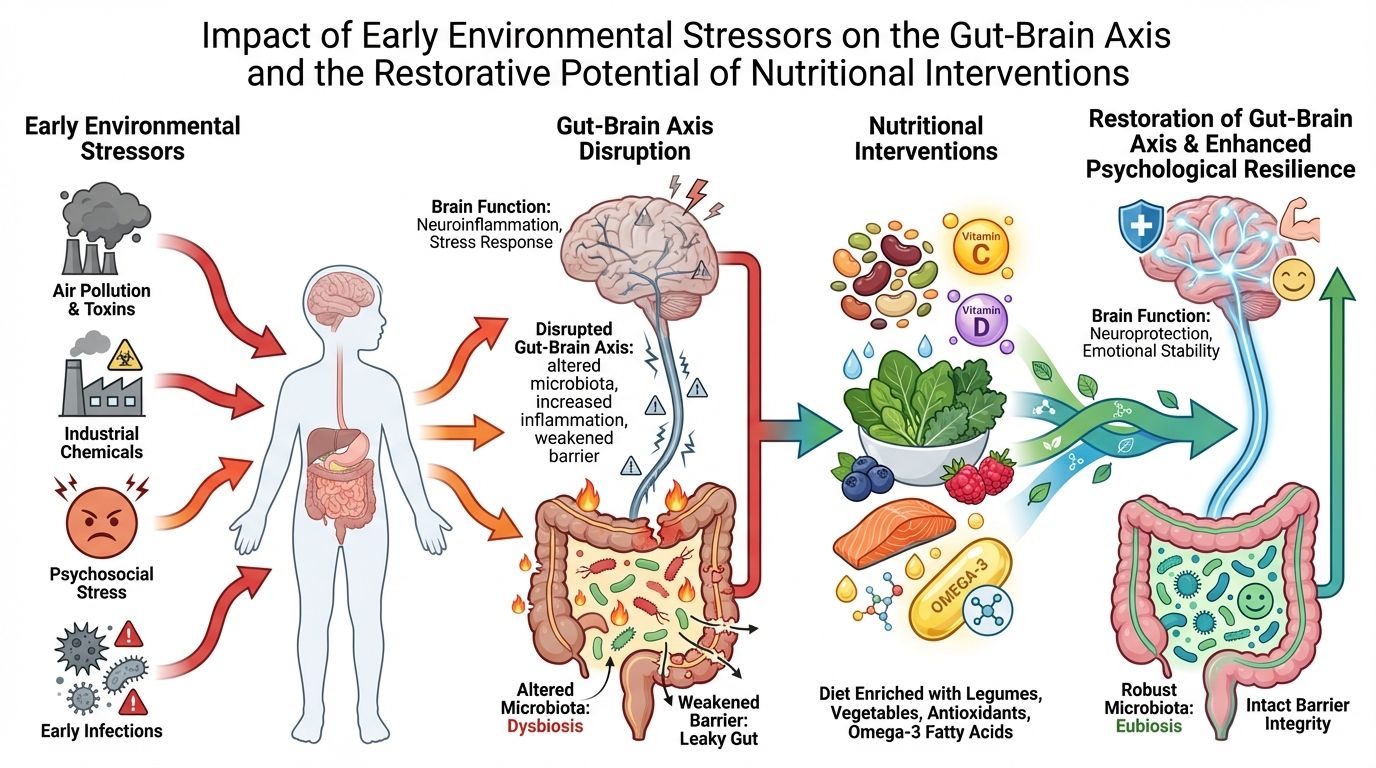
Figueroa's research finds that during adolescence, environmental factors such as diet and stress alter the gut microbiome and affect behavior, cardiovascular function, stress responses, eating habits, mental health, and the risk of lifelong disease.
These significant changes can ultimately shift health trajectories, making the gut microbiome a significant factor in overall health.
The gut as an environmental sensor
One reason the gut microbiome has captured scientific attention is its role as an environmental sensor. Much of Figueroa's research focuses on understanding how early-life environments influence health and disease as we age from childhood, through adolescence, and into adulthood.
“We’re interested in how early experiences can become biologically embedded and redirect health trajectories,” Figueroa says.
“The gut microbiome-brain axis is one key pathway through which early diet and stress influence lifelong health and disease.
When considering early-life exposures, including an unhealthy diet and childhood stress, growing evidence shows that these factors can alter the microbiome and gut permeability and influence brain development.
“These changes appear to influence how the brain is wired and how neural connections develop, which may contribute to anxiety, depression, and other psychiatric disorders,” Figueroa explains.
To combat this, targeted interventions, including dietary, nutritional, and lifestyle modifications, are hoped to support a healthier microbial community and promote resilience in children who have been exposed to adversity.
The gut-brain axis
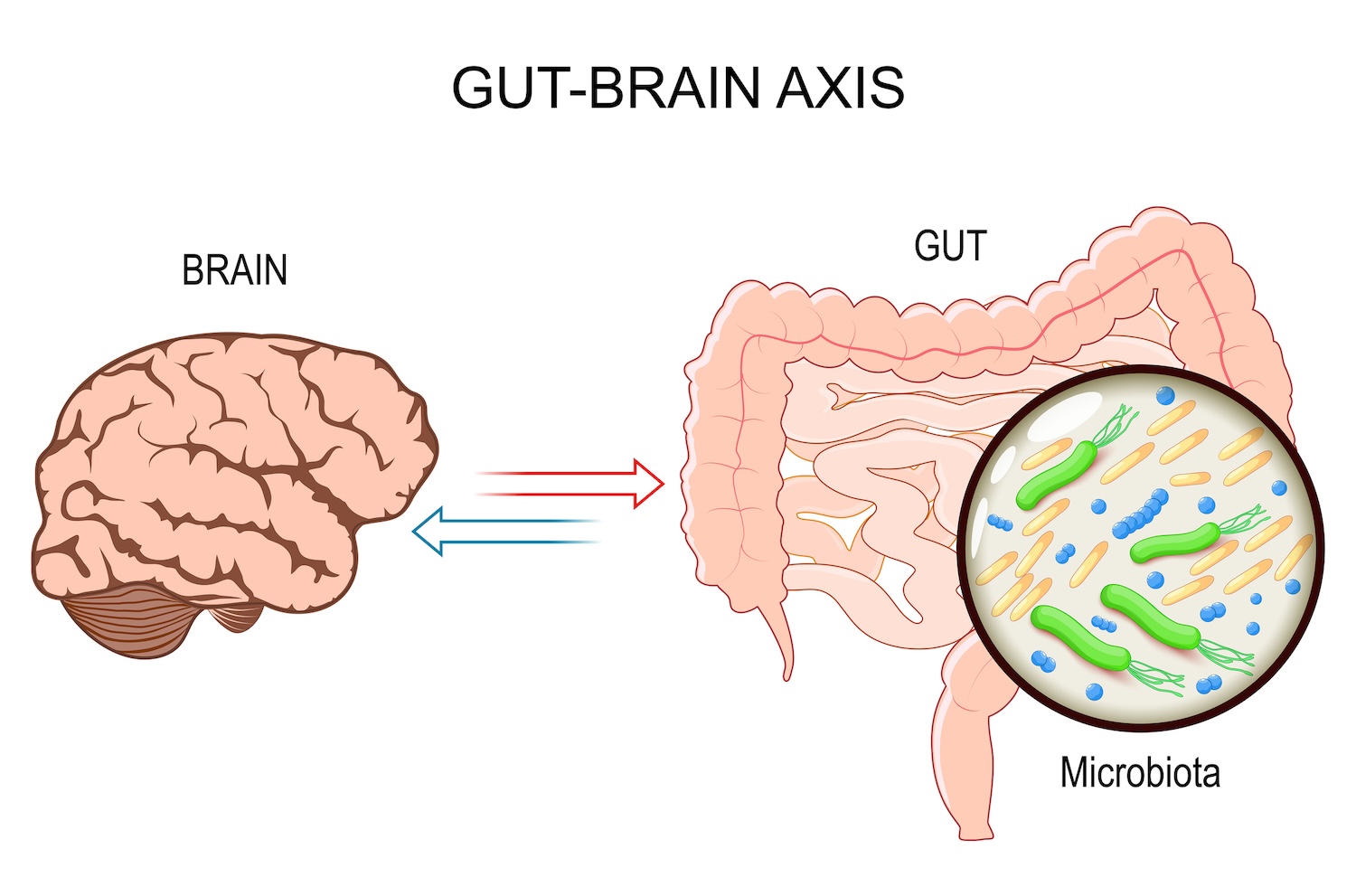
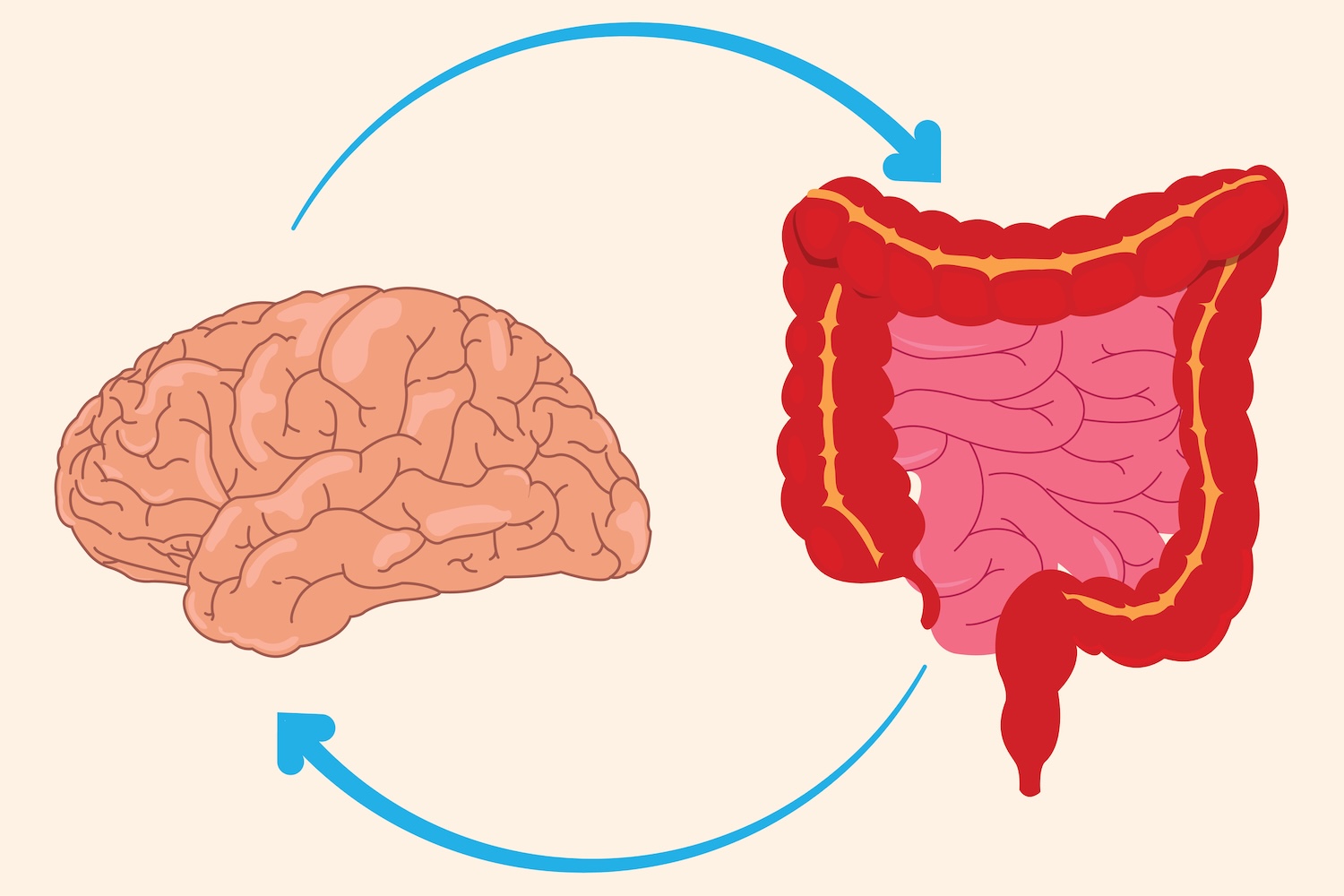
The gut–brain axis refers to the two-way communication network connecting the brain, the gut, and the microbial ecosystem within the gut. This communication involves not only microorganisms living in the intestines, but also the immune system, hormones, and the nervous system. Signals travel in both directions: the brain influences digestion and gut function, while the gut and its microbes send chemical and immune signals that affect mood, stress responses, and behavior.
This connection helps explain why people often feel emotions physically, such as “butterflies” in the stomach during anxiety or stress.
“The gut microbiome is highly responsive to the world around us,” Figueroa says.
“By metabolizing nutrients and generating immune and chemical signals, these microbes help shape how the body and brain respond to stress and adapt to the environment.”
Figueroa’s lab is particularly interested in how the microbiome influences immune cells in the brain, called microglia, which help shape neural circuits during development. Alterations in these pathways may link early adversity to long-term behavioral and metabolic risk.
Why early childhood is a critical factor for the gut microbiome
The first few years of life are especially important for microbiome development.
“During the first few years of life, the gut microbiome evolves toward an adult-like community, and this early development is influenced by factors such as breastfeeding, diet diversity, and environmental exposures,” Figueroa says. “This period is especially important because microbial signals help shape immune maturation, metabolic pathways, and other systems that can have lasting effects on health. That’s why early nutrition is so critical.”
Access to healthy food also plays a major role. Communities with limited availability of nutritious options, often called food deserts, may face higher stress levels and fewer opportunities to build a healthy microbiome early in life.
How diet protects the gut microbiome
One encouraging finding from gut microbiome research is that diet may help buffer the effects of stress.
"A healthier diet appears to reduce some of the negative biological impacts associated with early adversity. While high stress levels seen in adversity can lead to disease, nutrition may offer a protective effect,” Figueroa says.
Key dietary components linked to a healthier microbiome include:
-
Omega-3 fatty acids are commonly found in fish oils, flaxseed, and walnuts, which support microbiome development.
-
Fiber-rich foods can feed many types of bacteria and promote the production of beneficial compounds known as short-chain fatty acids.
-
Antioxidant-rich fruits and vegetables help support the gut’s protective lining and regulate inflammation.
Variety also matters. Consuming a wide range of healthy foods encourages microbial diversity, which is associated with better health outcomes.
Is it too late for adults to heal their gut microbiome?
One question researchers are still working to better understand is how reversible microbiome changes truly are. In laboratory models of dietary obesity and stress, studies suggest that changes occurring during adolescence may produce long-lasting changes that are not fully normalized without targeted interventions. Certain alterations in behavior and brain connectivity appear to persist long after the original environmental factors are removed.
“When we simply remove stress or unhealthy diets without introducing positive interventions, we don’t see a full reversal of the effects,” Figueroa explains. “Unhealthy diet and stress exposure during adolescence seem to have long-lasting impacts.”
However, research does offer encouraging news.
Improvements are possible when negative factors are replaced with supportive ones. Healthy social connections, balanced nutrition, quality sleep, and regular physical activity can all contribute to restoring gut health and supporting brain function.
“It’s never too late to start,” Figueroa says. “Starting earlier is always better, but meaningful lifestyle changes can help rebuild the gut microbiome and lead to positive changes in the brain as well.”
More stories about: Health Tips Women's Health Men's Health General Pediatrics
Related Articles