
LLU environmental microbiologist Ryan Sinclair outlines safety tips people should keep in mind when using bleach
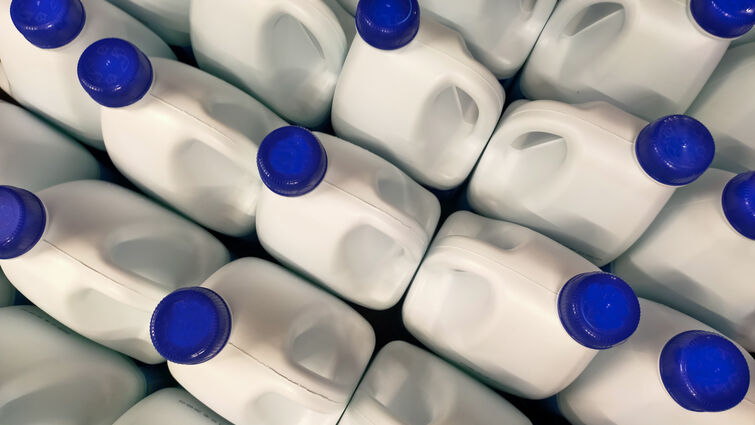
Bleach is one of the most common household cleaners and is highly effective at killing germs, but it can be harmful when used improperly. Ryan Sinclair, PhD, MPH, professor of Environmental Microbiology at Loma Linda University, shares some dos and don’ts to help people use bleach effectively and safely.
Do use bleach for disinfection and other tough jobs
Bleach is a powerful disinfectant and one of the most effective cleaners for disinfecting surfaces.
“The great thing about bleach is that it kills germs quickly,” Sinclair says. “Bleach doesn’t need a lengthy residence time to work.”
Bleach is especially useful for tough cleaning jobs like:
-
Countertops and other food‑prep surfaces
-
Outdoor surfaces
-
Whitening laundry
-
Disinfecting trash cans and compost bins
-
Plastic toys
Don’t mix bleach with other cleaners
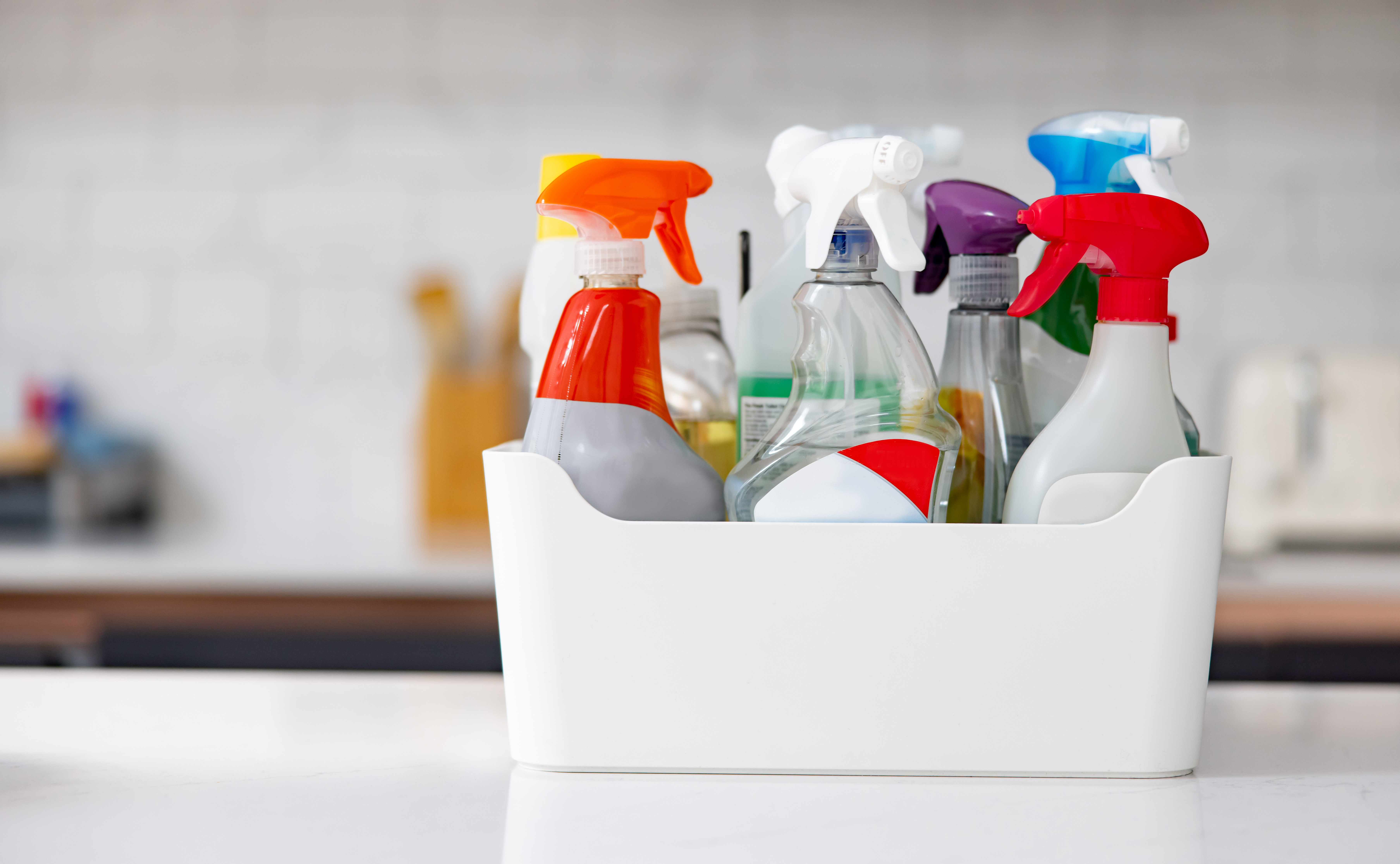
Never mix bleach with other household cleaners. Many cleaning products contain ammonia or hydrochloric acid, and mixing these with bleach can release toxic chlorine gas. According to Sinclair, this can cause irritation of the eyes, nose, and throat — and in severe cases, can be life-threatening.
“One cleaner is usually enough to do the job,” Sinclair says. “If you’re using bleach to disinfect something, that’s more than enough. There is no need to mix it with other cleaning products.”
Do dilute bleach
According to Sinclair, store‑bought bleach is often too strong for direct use, so it’s important to follow the instructions on the label. If your bottle does not include directions, the CDC recommends:
-
5 tablespoons of bleach per gallon of room temperature water or
-
4 teaspoons of bleach per quart of room temperature water
Once diluted, the solution will no longer be effective after 24 hours. Be sure to make a fresh solution each time you plan to use it.
Don’t use bleach for routine mold cleaning
While bleach can kill mold on hard, non-porous surfaces, the California Department of Public Health does not recommend it for routine mold removal.
“The issue with using bleach to clean mold is that it aerosolizes the mold spores,” Sinclair cautions.
“Its cleaning action helps release mold spores and toxins into the air, which can irritate your airways.”
Instead, the best approach is to identify and fix the source of moisture. After addressing the moisture problem and removing excess water, clean the area with soap and detergent. Keep in mind that porous materials such as carpets and fabrics cannot be fully disinfected and may need to be removed.
Do ventilate when using bleach

Because bleach produces strong fumes, it’s important to ventilate the area well when using it indoors. Cleaning products like bleach release airborne chemicals, including several different volatile organic compounds (VOCs), which can irritate the eyes and respiratory system.
“When using bleach indoors, open windows and turn on fans to keep the air moving and the space well ventilated,” Sinclair says.
This is especially important when cleaning around vulnerable household members. For those who are asthmatic, respiratory‑sensitive, or immunocompromised, VOC exposure can trigger respiratory symptoms.
Worried you or loved one has been exposed to bleach? Call the poison control hotline immediately at 1-800-222-1222
More stories about: Health Tips School of Public Health Academics
Related Articles