

LLUMC - Murrieta's newest treatment is bringing new hope to heart patients with resistant hypertension
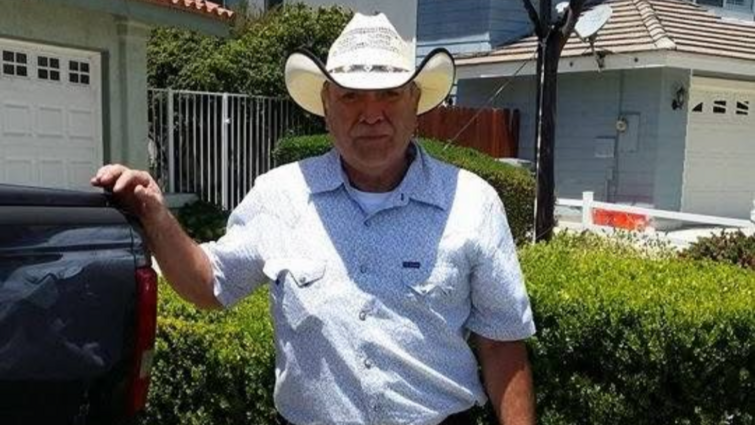
Victor Hernandez, a 65‑year‑old husband, father of four, and grandfather of eight, has always been on his feet. But nearly 10 years ago, while working as a manager at Pala Casino Spa Resort, he noticed a change in his breathing.
“When I took long walks, I was having trouble catching my breath,” Hernandez said. “I knew something wasn’t right.”
Heart disease diagnosis
After a visit to the hospital and an initial pneumonia diagnosis, Hernandez’s physician, Niraj Parekh, MD, medical director of the Heart and Vascular Center and the Structural Heart Program at Loma Linda University Medical Center – Murrieta (LLUMC – Murrieta), noticed another concern — Hernandez’s heart was enlarged.
One of his heart valves wasn’t functioning properly, which was causing his shortness of breath. Parekh recommended replacing the valve, and after two open‑heart surgeries, Hernandez successfully received a new valve.
“But my heart was still struggling,” Hernandez said.
Hernandez continued care with Parekh and, over the years, received additional treatments to support his heart, including a pacemaker. He was also prescribed multiple medications to manage his condition.
Hernandez’s struggle with high blood pressure
These treatments worked well for more than a decade — until they didn’t.
“I’ve known Victor for years and have watched him over time,” Parekh said. “But when I saw him last year, I noticed he wasn’t himself.”
In addition to his heart condition, Hernandez struggled with high blood pressure. Between heart and blood pressure medications, he was taking 14 pills a day.
“I can’t stand taking pills — I hate it — and my blood pressure was still uncontrolled,” Hernandez said.
Parekh knew this was concerning. According to him, even when patients take multiple medications, blood pressure can remain difficult to control. Over time, uncontrolled high blood pressure can lead to serious complications, including:
-
Heart disease
-
Stroke
-
Kidney failure
Given these risks, Parekh recommended a newer treatment option.
Renal denervation
Renal denervation is a minimally invasive therapy designed to help control high blood pressure and reduce reliance on multiple medications.
In many patients, resistant hypertension stems from overactive nerves in the kidneys. Renal denervation addresses this by calming those nerves.
The transcatheter procedure targets the renal arteries, where radiofrequency energy is used to reduce nerve activity that triggers elevated blood pressure.
“Once we know there are no other causes, we bring patients to the lab and use catheters to treat the kidney arteries on both sides,” Parekh said. “Starting with the smaller branches and working back toward the main arteries, we’re able to calm the nerves that drive high blood pressure.”
Parekh cautions that renal denervation is not an overnight fix like some cardiac procedures. It takes time for nerve pathways to become less reactive. Most patients begin seeing meaningful blood pressure improvement after three months, at which point medication adjustments may be discussed with their cardiologist and primary care provider.
Hernandez was among the first patients to undergo the procedure.
“I didn’t feel anything — I thought, ‘Are they even doing the procedure?’”
He went home the same day. “The procedure was on a Friday, and I was back at work on Monday,” Hernandez said.
Life after the procedure
Now, more than four months later, Hernandez’s blood pressure has improved significantly — and so has his quality of life.
“He looks happy and seems like he’s back to his normal self,” Parekh said.
Hernandez says he noticed the difference quickly. He no longer gasps for air or feels exhausted during walks.
“I’m so grateful for the care I received — Loma Linda really took care of me,” Hernandez said. “They went above and beyond.”
If you or a loved one has heart disease and struggles with uncontrolled high blood pressure, you may be a candidate for renal denervation. Learn more about Heart & Vascular services at LLUMC – Murrieta here.
More stories about: Heart & Vascular Heart patients Murrieta Hospital
Related Articles