

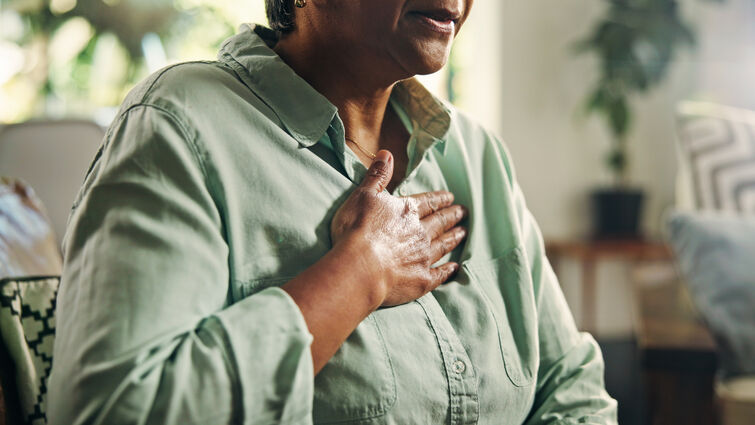
Interventional cardiologist explains why this is and who is at higher risk
Spending time with family, eating delicious meals, and resting more — the holidays should be good for our bodies, right? Not necessarily.
According to the American Heart Association (AHA), more people die from heart attacks during the last week of December than at any other time of the year. Research published in Circulation, the AHA’s flagship journal, found that the most cardiac deaths occur on Dec. 25, followed by Dec. 26 and Jan. 1.
Vinoy Prasad, MD, interventional cardiologist at Loma Linda University Health, says several factors help explain this, from added stress to colder weather.
Why do heart attacks increase during the holiday season?
During the holidays, many people’s routines change in ways that can strain the heart, including:
-
Facing higher stress related to family and friends
-
Eating more or taking in more sodium
-
Drinking more alcohol
“People may not be eating as healthy as they were — maybe a high salt or alcohol intake. This puts the body under a different set of circumstances, which really plays a factor in that increased risk of heart attacks,” Prasad says.
For people with existing heart conditions, or even undiagnosed ones, these changes can be especially hard to absorb.
Colder weather adds to that strain, and it’s a factor many people don’t connect with heart disease. When temperatures drop, blood vessels tend to constrict, which raises blood pressure and forces the heart to work harder.
“Cold temperature itself puts a lot of stress on the body,” Prasad says. “This increased workload can set the conditions for a heart attack.”
Winter chores can add to the load. For people in the California mountains or similar climates, shoveling heavy snow is strenuous, especially for those who don’t exercise regularly.
Respiratory illnesses such as influenza and even the common cold are more common in colder months as well. Prasad explains that these illnesses can trigger heart attacks, too, which is one reason he encourages vaccination.
Who is at higher risk?
You may be at higher risk of heart disease if you:
-
Have already had a heart attack or have heart disease
-
Are older
-
Have high blood pressure
-
Have high cholesterol
-
Live a sedentary lifestyle
How can you protect your heart?
While these facts can be concerning, there are steps you can take to lower your risk of a heart attack this holiday season.
Get vaccinated against the flu and COVID-19. “Vaccination is recommended because these viruses can trigger heart attacks,” says Prasad. “Vaccination provides another layer of protection, which can decrease the likelihood of having a heart attack.”
Keep up healthy habits. It can be tempting to let healthy habits slip during the holidays, but they matter for your heart and your overall health. Remember to sleep, eat balanced meals, limit alcohol, and stay physically active.
Know the warning signs. Prasad also stresses the importance of recognizing when someone is having a heart attack. If you or someone else has symptoms such as the following, call 911 right away:
-
Chest pain or discomfort
-
Shortness of breath
-
Jaw or neck pain
-
Nausea
-
Fatigue
“Do not delay medical attention. If you are having a heart attack, every second matters, and the longer you wait to go to the hospital, the more irreversible damage is done to your heart,” Prasad says.
Loma Linda University Health has been ranked No. 1 in the region for cardiology and heart surgery by U.S. News & World Report. To learn more about resources for cardiac patients, visit lluh.org/heart-vascular or call 1-800-468-5432.
More stories about: Health Tips Heart & Vascular
Related Articles