
Neurologist addresses the difference between a seizure and epilepsy
It's common to hear the terms seizure and epilepsy used interchangeably, but they are not the same thing.
A seizure is a single event caused by abnormal electrical activity in the brain, while epilepsy is a chronic condition of the brain that causes a person to have recurring seizures or a high likelihood of seizure recurrence.
Shawna Benard, MD, a neurologist and epilepsy specialist at Loma Linda University Health, explains the difference between seizure and epilepsy and their warning signs.
Key takeaways
-
Seizures don’t always involve falling on the floor with convulsions. Sometimes, a person might not know they had a seizure.
-
There are three ways to diagnose epilepsy.
-
Epilepsy can be treated with medication and, in some cases, surgery.
Seizure vs. epilepsy
The International League Against Epilepsy defines an epileptic seizure as a transient occurrence of signs and/or symptoms due to abnormal excessive or synchronous neuronal activity in the brain. Common seizure auras or warnings before a seizure occurs may include:
-
An intense sense of déjà vu
-
Unusual smells or tastes
-
A rising sensation in the stomach
-
An out-of-body feeling
The duration of a seizure varies, but most episodes last for less than five minutes.
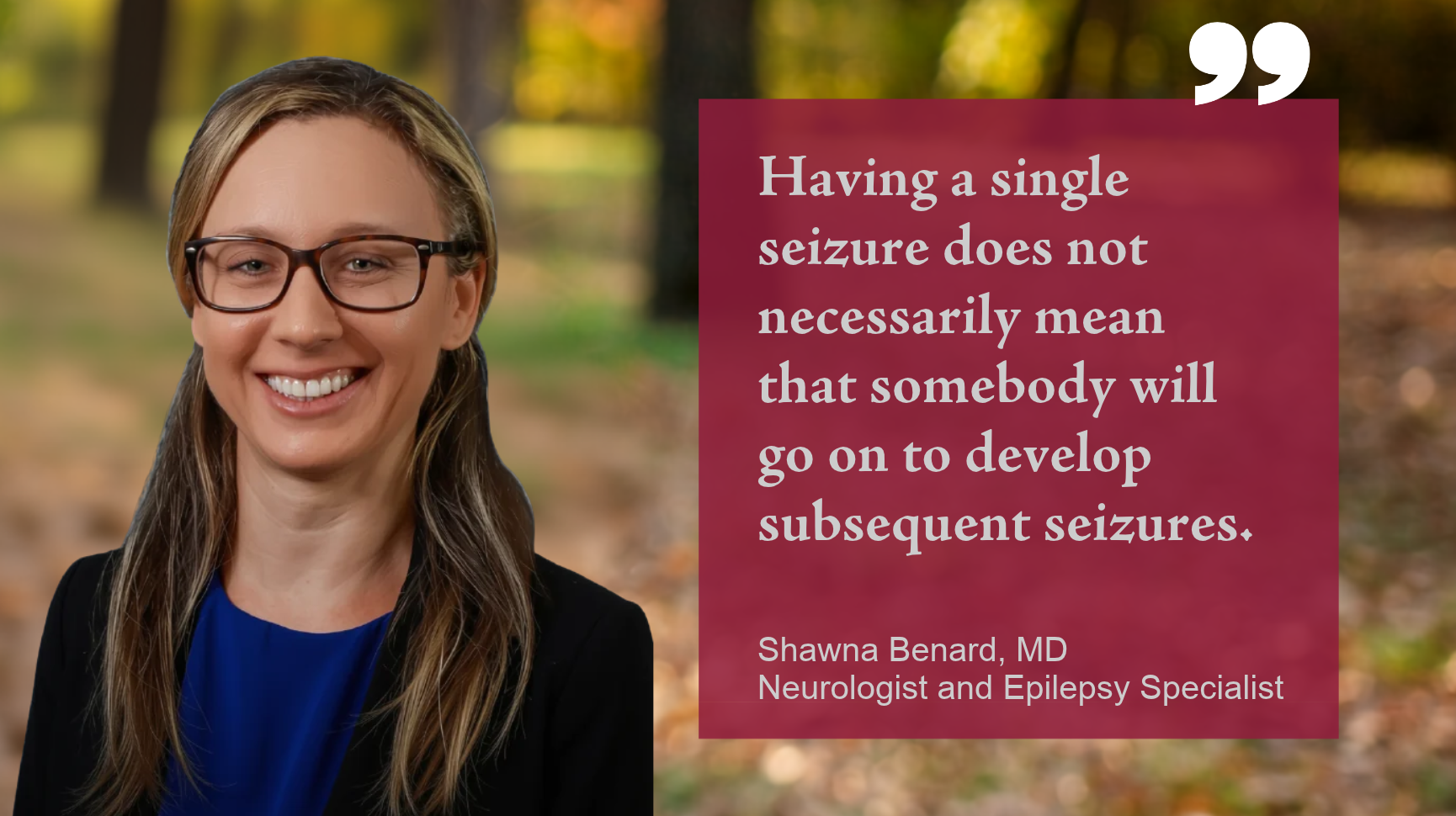
“Having a single seizure doesn't necessarily mean that somebody will go on to develop subsequent seizures,” says Benard.
Unlike a single seizure, epilepsy is a chronic condition often involving recurrent unprovoked seizures.
"Epilepsy involves much more than seizures alone," Benard says. "There can be neurobiological, cognitive, psychological, and social consequences of this condition that affect a person's quality of life."
Diagnosing seizures and epilepsy
After a detailed discussion about what happened before, during, and after a potential seizure, Benard says the following will typically be done to help clarify a patient’s diagnosis:
-
A neurological examination
-
A brain MRI to look for structural abnormalities
-
An electroencephalogram (EEG), which records electrical activity in the brain
An EEG can reveal patterns of electrical excitability that indicate increased risk for future seizures even if a patient is not having a seizure at the time of the study.
"We're often looking for findings that suggest somebody has a higher likelihood of seizure recurrence," says Benard. “In some cases, longer EEG monitoring is required.”
An official epilepsy diagnosis happens when one of three situations occurs:
-
A single unprovoked seizure with a high risk of recurrence: After a seizure, an MRI or EEG result may show abnormalities associated with a significantly increased risk of another seizure.
-
Two unprovoked seizures: Someone who experiences two unprovoked seizures separated by at least 24 hours meets the criteria for epilepsy, even if MRI or EEG results are normal.
-
Epilepsy syndrome: Some childhood and adolescent epilepsy syndromes can lead to an epilepsy diagnosis.
Epilepsy explained: what you need to know about seizure disorders
Not all seizures look the same
Many people picture seizures as dramatic events involving falling to the ground and full-body convulsions. While that can happen, Benard says seizures can appear much differently.
"Not everybody has a convulsion," she says. "Some people have staring episodes, altered awareness, sensory abnormalities, visual changes, or a variety of other experiences."
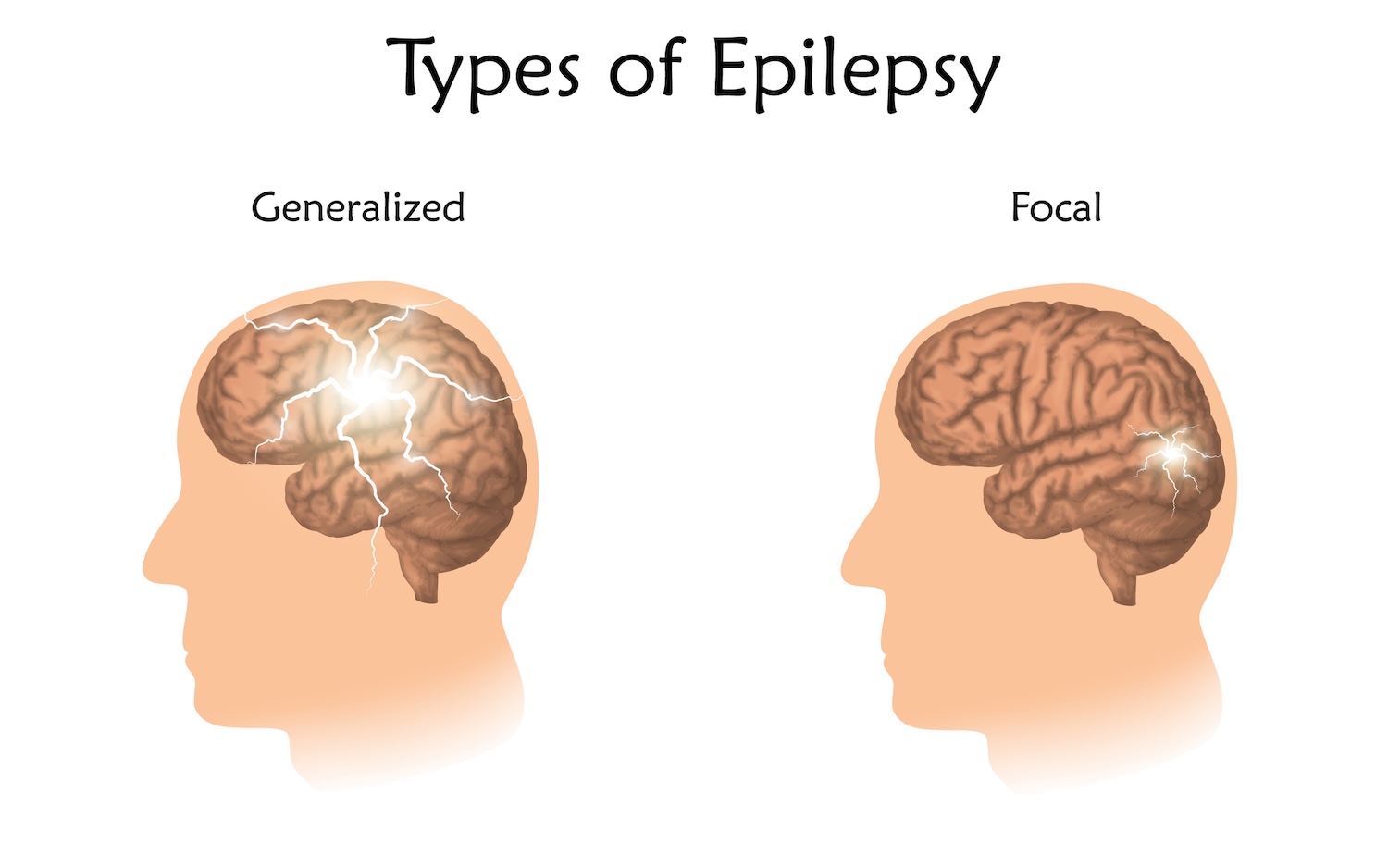
Seizures can be categorized as generalized, which involves both sides of the brain, or focal, which commonly start in one specific location and may begin with an "aura," or warning sign, before the seizure occurs.
“For some people, they may only have an aura, but it can progress into altered awareness, body stiffening, or rhythmic shaking,” says Benard.
Could I have had a seizure and not realize it?
Someone who experiences a seizure that affects their awareness may not remember the event afterward, especially if they live alone and have no witnesses. Benard says clues that a seizure may have occurred include:
-
Missing periods of time or memory gaps
-
Finding yourself in a different location without remembering how you got there
-
Tongue biting
-
Urinary incontinence
-
Muscle soreness after waking up
-
Unexplained bruises or injuries
“Sometimes family members, friends, or coworkers are the first to notice that something unusual happened,” says Benard.
Living with epilepsy? What you need to know after diagnosis
Is every seizure caused by epilepsy?
Provoked seizures can occur due to a temporary, identifiable trigger, including:
-
Extremely low or high blood sugar
-
Alcohol withdrawal
-
Severe electrolyte abnormalities, including low sodium levels
-
Certain acute medical conditions
-
Head injury
“Provoked seizures can happen a single time or more than once,” Bernard explains. “Because these seizures are linked to a specific cause, doctors may focus on treating the underlying issue instead of prescribing long-term anti-seizure medication.”

Treating epilepsy
The first line of treatment is usually anti-seizure medication.
“There are more than 30 anti-seizure medications available. Treatment choice is based on a variety of factors including a person's type of epilepsy as well as their medical and psychiatric history,” says Benard.
Approximately half of patients achieve seizure control with their first medication. However, if seizures continue, doctors can increase dosage, switch medications, or use a combination of medications.
For people whose seizures remain uncontrolled after trying two medications at the highest tolerated doses, epilepsy surgery should be discussed as an option.
"The likelihood of becoming seizure-free with a third medication is less than 5%," says Benard. "At that point, surgery often offers the greatest chance of improving seizure control."
Next steps
Anyone who experiences unexplained loss of awareness, memory gaps, unusual sensations, stiffening or shaking of the body should seek medical evaluation.
"The sooner we understand what's happening, the sooner we can determine the right treatment and help reduce the risk of future seizures," says Benard.
For more information on epilepsy, visit our website here.
More stories about: Neurology Neurosurgery
Related Articles