
Brain injuries can change memory, mood, and daily life
Most people have heard of a concussion, but fewer are familiar with the broader term neurotrauma, which refers to an injury to the brain caused by any high-force impact.
Neurotrauma, also called Traumatic brain injuries (TBIs), can range from mild concussions to coma-inducing trauma.
According to Duc Tran, MD, PhD, a neurotrauma specialist at Loma Linda University Health, neurotrauma doesn't occur only when the head receives a direct hit.
"A lot of people think you have to hit your head to injure your brain, but that's not always the case," Tran explained. "A hard impact to the body can cause the head and neck to move rapidly, transferring forces to the brain and resulting in a concussion or other traumatic brain injury."
Key takeaways
-
Neurotrauma is more than severe accidents and comas. It includes the spectrum of injuries with varying recovery times,
-
Repeated mild TBIs and concussions can cause lifelong irritability, memory issues, and emotional outbursts.
-
Mild and severe TBIs can cause lasting physical, emotional, and cognitive challenges.
What is neurotrauma?
The neurotrauma spectrum ranges from mild TBIs to severe injury that can lead to the minimally conscious state, a coma, or other disorders of consciousness. The range of brain trauma includes:
-
Mild traumatic brain injury
-
Concussion
-
Moderate traumatic brain injury
Mild TBIs and concussions
For years, doctors used the term concussion and mild traumatic brain injury interchangeably, but researchers increasingly recognize important differences.
Tran explains that a mild TBI may involve a brief loss of consciousness resulting in a short period of memory loss, whereas a concussion impacts daily function.
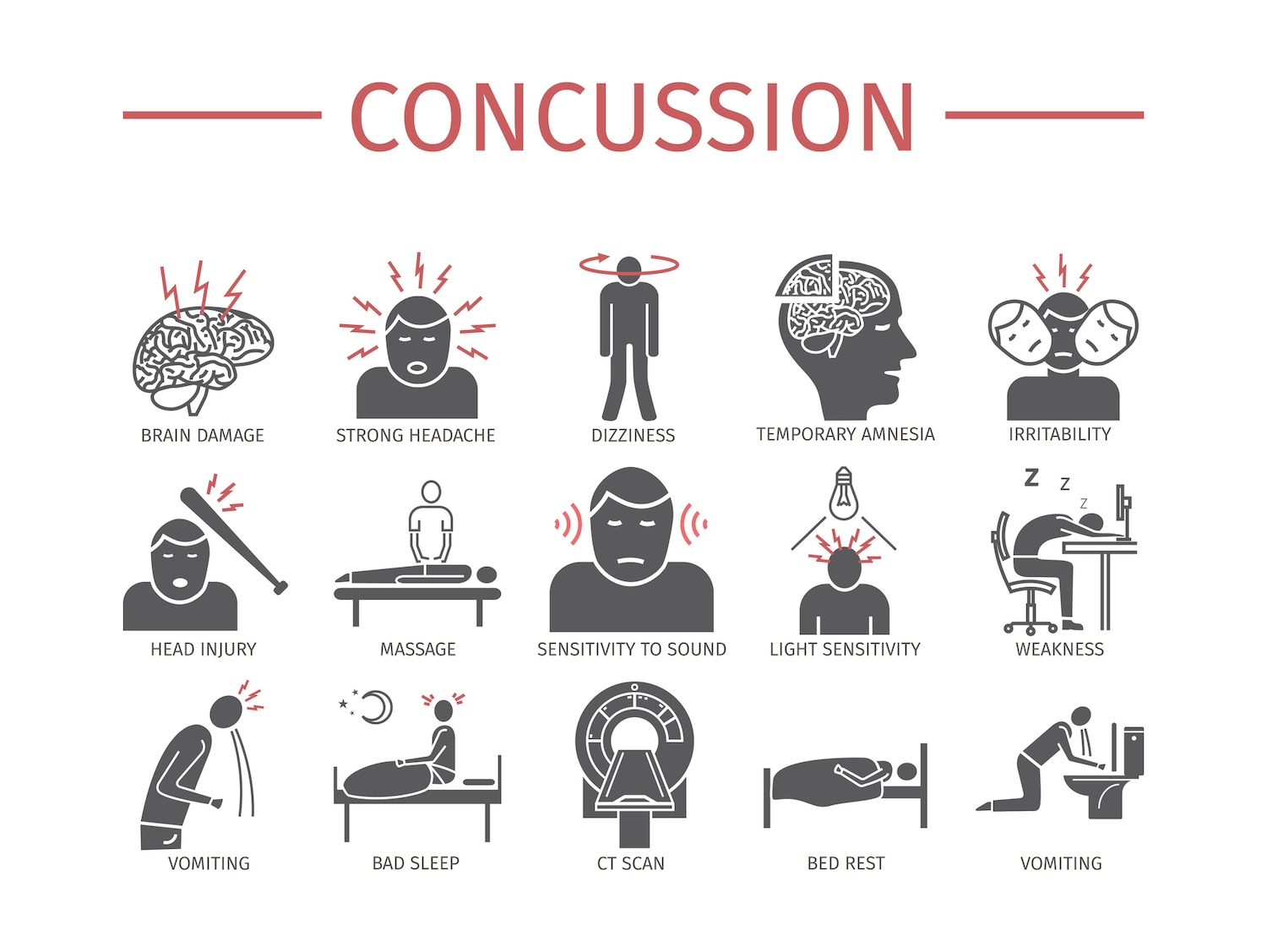
Symptoms of a concussion may include:
-
Difficulty working or attending school
-
Sleep disturbances
-
Irritability or mood changes
-
Balance problems
-
Difficulty concentrating
When someone endures multiple TBIs or concussions, the impact can be severe.
“Repeated brain injuries, even at a mild level, can lead to chronic irritability, memory problems, and difficulty regulating emotions," Tran says.
Understanding and preventing traumatic brain injuries
Moderate brain injuries
Someone with a moderate brain injury may experience long-lasting, and sometimes permanent, cognitive deficits.
These challenges can affect memory, attention span, and thinking, but often the most noticeable changes are emotional and behavioral.
“A person with a moderate TBI may become more irritable and might react more intensely to everyday situations,” Tran says. “Many patients find themselves crying more easily, snapping at loved ones more quickly, or saying and doing things they later regret.”
Some patients might also develop neuroendocrine disorders, which occur when the brain's communication with hormone-producing glands is disrupted.
“These hormonal changes can affect thyroid function, testosterone, estrogen, and cortisol levels, all of which play important roles in cognition, memory, attention, and overall well-being,” Tran explains.
Severe brain injury
Movies and television often depict someone being knocked unconscious, waking up from an extended period of unconsciousness, and instantly returning to normal. In reality, recovery is more gradual.
"It's not like the movies," Tran says. "People don't typically wake up and immediately begin talking and acting normally."
Instead, patients with severe TBIs move through the following series of recovery stages.
Coma
The most severe level of impaired consciousness is a coma, where a person shows no signs of wakefulness or awareness.
Unresponsive wakefulness syndrome
Formerly called the ‘vegetative state,' patients enter what is now called unresponsive wakefulness syndrome, where a person may appear awake because their eyes open and close, but they show no evidence of conscious awareness.

Minimally conscious state
When a patient emerges from unresponsive wakefulness syndrome, they enter a minimally conscious state, where patients demonstrate limited signs of awareness of the environment around them.
Post-traumatic confusional state
As recovery progresses, patients enter the post-traumatic confusional state where they can talk and interact but struggle with short-term memory.
"I can have a conversation with a patient, leave and return in five minutes, and they won't remember that we've ever met," Tran says. “In this state, patients may even have difficulty remembering close family members.”
The longer someone is in the post-traumatic confusional state, the more challenging their future outcome.
Can the brain heal?
One of the most common questions patients ask is whether the brain can recover after injury. Tran says the answer depends largely on the severity of the injury.
“Moderate and severe injuries often show visible damage on CT scans or MRIs, but that does not mean recovery is impossible.”
Can brain health improve? The surprising truth
While brain lesions might be permanent, a lot of people will recover through a process called neuroplasticity, where the brain rewires around scars and bleeds.
Rehabilitation and medication also play an important role in recovery. Treatment often includes:
-
Physical therapy
-
Occupational therapy
-
Speech therapy
-
Cognitive rehabilitation
-
Neuropsychological support
-
Sensory stimulation therapies
-
Medications that promote arousal
-
Treatment of hormone imbalances and other medical complications
"Recovery is possible," Tran says. "The brain has an incredible ability to adapt and reconnect after injury."

Protecting your brain
While not all brain injuries can be prevented, Tran emphasizes lifestyle habits that can reduce risk.
“Falls are a leading cause of brain injury, especially among older adults. Strength, balance, and overall fitness help reduce fall risk and improve the body's ability to recover from injuries.”
Other important prevention methods include:
-
Eating a brain-healthy diet rich in omega-3 fatty acids.
-
Prioritizing sleep for improved decision-making skills.
-
Always utilizing safety equipment such as a seatbelt and helmet.
Concerned about a concussion or brain injury? Schedule an appointment with a neurotrauma specialist to discuss symptoms, treatment options, and recovery.
More stories about: Neurology Neurosurgery
Related Articles