

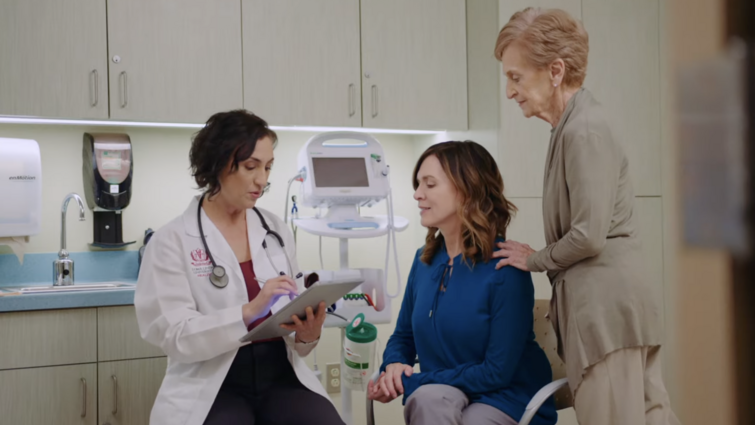
February is National Cancer Prevention Month, and experts are urging adults to take proactive steps toward prevention and early detection.
Overall cancer death rates in the United States have declined significantly over the past 30 years. But among adults under 50, one cancer is moving in the wrong direction.
According to Mark Reeves, MD, director of the Loma Linda University Cancer Center, colorectal cancer has quietly become the leading cause of cancer-related death in Americans under 50.
“Cancer mortality overall has gone down about 35% over the last 30 years,” Reeves says. “But in the under-50 population, colorectal cancer is one where mortality has not declined at the same rate. It has now overtaken breast cancer as the biggest killer of people under 50 in the United States.”
Environmental factors driving the rise
While cancer in younger adults has traditionally raised concerns about inherited genetic risk, Reeves said the current increase appears to be largely environmental.
“When we look at this epidemiologically, the increase is almost certainly due to environmental causes,” Reeves says. “We’re seeing a huge rise in obesity, sedentary lifestyles, and consumption of processed foods and red meat.”
He noted that decades of research, including findings from the Adventist Health Study conducted at Loma Linda University, have linked dietary and lifestyle patterns to colorectal cancer risk.
“Genetics still matter, especially in younger patients,” Reeves says. “But the scale of obesity and inactivity we’re seeing in young people today is something we simply didn’t have 50 years ago.”
Symptoms that younger adults shouldn’t ignore
A major challenge, Reeves said, is that warning signs are often dismissed by patients and sometimes by providers because of a person’s age.
“The two most important symptoms that should never be ignored are a change in bowel habits and blood in the stool,” Reeves says. “Most of the time in younger patients, those symptoms are not cancer, but you can’t assume that anymore.”
Persistent constipation, diarrhea, or rectal bleeding should prompt a medical evaluation.
“Colorectal cancer is a disease that can often be cured if it’s found early,” he says. “But it becomes much harder to treat when it’s discovered late.”
Screening now begins at 45
In response to rising rates of early-onset colorectal cancer, the American Cancer Society lowered the recommended screening age from 50 to 45 for people at average risk.
“Everyone should be screened starting at age 45, regardless of symptoms,” Reeves says. “If someone in your family developed colorectal cancer at a younger age, screening should begin even earlier.”
Colonoscopy remains the most comprehensive screening tool, but Reeves emphasized that noninvasive options have improved significantly.
“There’s really no longer a good excuse not to be screened,” he says. “Fecal immunochemical tests, like Cologuard, are highly effective and far better than doing nothing at all.”
These at-home tests do not require sedation or time off work. If results are abnormal, a follow-up colonoscopy is recommended.
Earlier detection means less invasive treatment
Reeves stresses that finding colorectal cancer early can dramatically change treatment. Even for more advanced disease, treatment options have evolved. Minimally invasive surgical techniques, expanded drug therapies, and liver-directed treatments have improved outcomes.
“Twenty or thirty years ago, we had very few tools,” Reeves says. “Today, we have many, and they’re working.”
Awareness without alarm
Reeves emphasized that while the rise in early-onset colorectal cancer is concerning, the broader story of cancer care is one of progress. “This is not a reason to be nihilistic about cancer,” he says. “The story overall is very positive. But this is an area where we need extra focus, especially in younger adults.”
His message is clear: pay attention to symptoms, follow screening recommendations, and don’t assume age offers protection.
“Don’t ignore warning signs,” Reeves said. “Don’t delay screening. This is a cancer we can often prevent, detect early, and cure, but only if people take that first step.”
February is National Cancer Prevention Month, and experts are urging adults to take proactive steps toward prevention and early detection. Adults age 45 and older should speak with their primary care provider about colorectal cancer screening options. Anyone experiencing persistent changes in bowel habits or blood in the stool, regardless of age, should seek medical evaluation.
To learn more about colorectal cancer prevention, screening, and treatment options at Loma Linda University Cancer Center, visit lluh.org/cancer-center or schedule an appointment with your provider.
More stories about: Cancer Center Cancer patients
Related Articles