
Although not all advanced-stage cancers may be cured, Dr. Mark Reeves says research consistently improves survival, quality of life, and treatment options.
For years, an advanced-stage cancer diagnosis was often viewed as a final outcome, a signal that treatment options were limited, and time was short. Today, providers at Loma Linda University Cancer Center share how advances in treatment are reshaping what that diagnosis means.
“Many advanced cancers are no longer about whether we can treat them, but how we treat them over time,” says Mark Reeves, MD, PhD, director of Loma Linda University Cancer Center. “For some patients, cancer has become a disease they can live with, not immediately die from.”
Advanced-stage cancers typically include tumors that cannot be cured with surgery alone or cancers that have spread to other parts of the body, also known as metastatic disease. While these diagnoses are serious, Reeves says they may not necessarily be a death sentence.
What has changed in advanced cancer care
Reeves explains that this shift in advanced cancer diagnoses has come from major advances in treatment.
“What’s really changed the field are effective medications that simply didn’t exist before,” he says. “They were developed in laboratories, tested in clinical trials, and now they’re helping patients in ways we never imagined.”
Surgery has also evolved dramatically. Advances in minimally invasive techniques, safer instrumentation, and non-surgical interventions performed by specialists such as interventional radiologists and gastroenterologists have expanded options while reducing risk for patients.
Radiation therapy has also progressed, becoming more precise and more widely used as part of coordinated treatment plans, even for cancers that have spread.
A long journey, not a single treatment
Another major shift is how advanced cancers are treated over time. Rather than relying on a single therapy, most patients now receive multi-modality care, which may include medication, surgery, and radiation.
“It matters which treatments are given, in what order, and for how long,” Reeves says. “This is a long journey, not a single intervention.”
Due to the complexity that comes with treating advanced stage cancers, Reeves strongly recommends care at a comprehensive cancer center where specialists work together.
Why multidisciplinary care matters
At Loma Linda University Cancer Center, advanced-stage cancer cases are reviewed by multidisciplinary teams that include surgeons, medical oncologists, radiation oncologists, nurses, and supportive care specialists.
“With advanced cancer, there are so many variables,” Reeves says. “Even very experienced physicians benefit from having a room full of experts thinking about one patient together.”
This collaborative approach often leads to new ideas or treatment paths that might otherwise be missed.
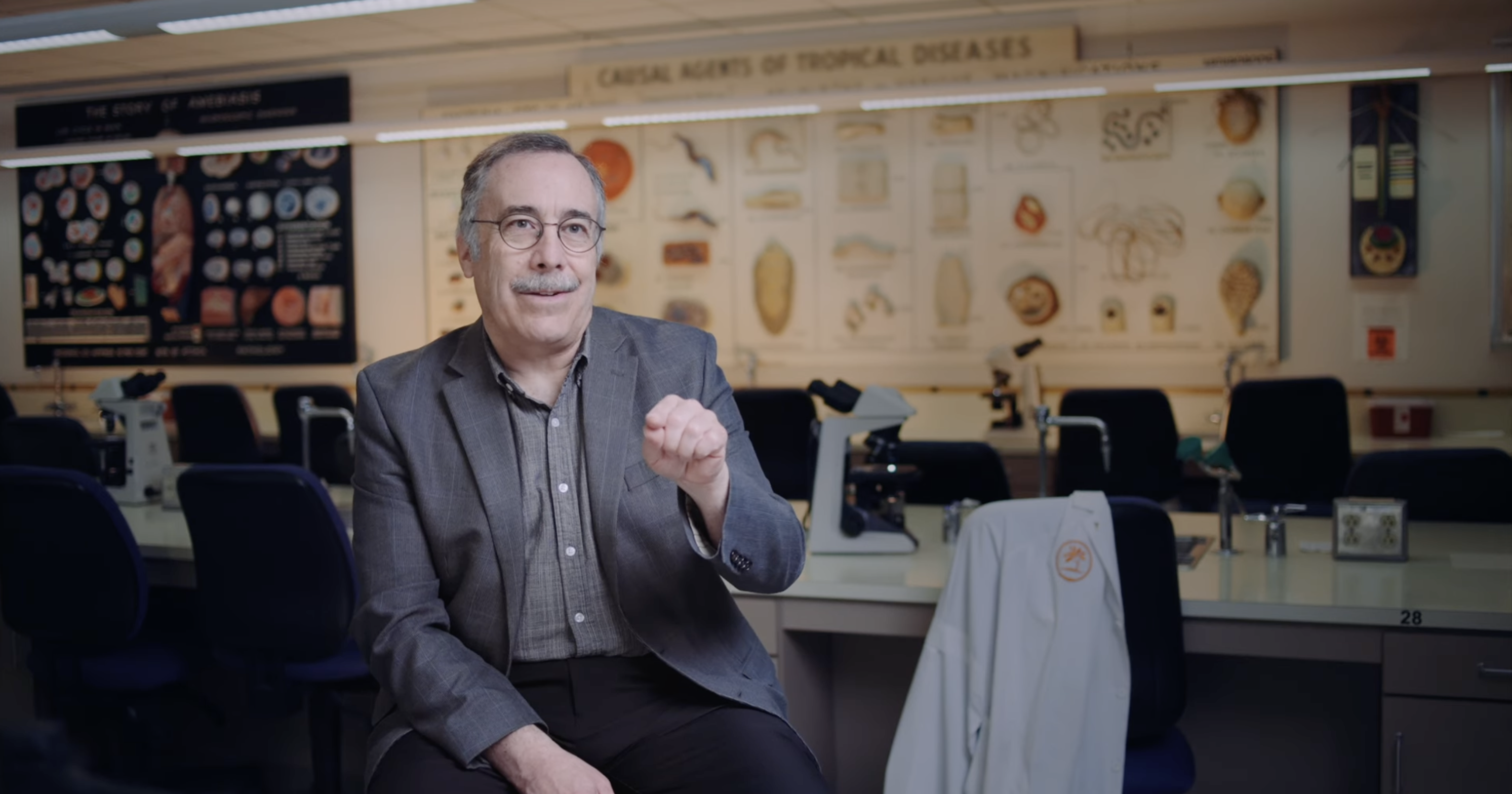
Dr. Mark Reeves hopes patients don’t assume an advanced-stage diagnosis means there are no options. He emphasizes that the care teams at the Cancer Center are committed to being there for them.
Consider clinical trials early
Reeves also emphasizes the importance of clinical trials for patients with advanced disease. Research consistently shows that patients enrolled in clinical trials often do better than those who receive standard treatment alone.
“For patients with advanced cancer, clinical trials are often the best option,” Reeves says. “Studies have shown they lead to better outcomes.”
He encourages patients to ask about trials early in their diagnosis, even if they don’t plan to enroll right away. Identifying options in advance can prevent missed opportunities later.
How research funding changes outcomes
Much of the progress seen in advanced-stage cancer care is directly tied to sustained investment in research.
“None of these advances happened by accident,” Reeves says. “Every effective drug we use today exists because someone invested in research, tested it in clinical trials, and brought it to patients.”
Reeves described a recent case involving a patient with advanced-stage gastrointestinal stromal tumor (GIST), a cancer that would have been rapidly fatal 20 years ago. After responding to a targeted therapy made possible through decades of research, surgeons were able to remove what remained of the cancer.
“Twenty years ago, that drug didn’t exist,” Reeves says. “Now that patient is cancer-free, and that outcome is 100% the result of investment in research.”
While Reeves is realistic that not all cancers may be cured, he says research consistently improves survival, quality of life, and treatment options.
“When we invest in research and carry discoveries into clinical trials, patients live longer and live better. That’s how progress happens.”
A message for patients and families
Reeves is clear that advanced-stage cancer remains serious, but he believes patients deserve both honesty and hope.
“I tell patients what we know about the statistics,” he says, “but I also remind them that they are one person, not a statistic. We don’t know how any individual will respond until treatment begins.”
If you or a loved one has been diagnosed with advanced-stage cancer, seek care at a comprehensive cancer center, ask about clinical trials early, and talk openly with your care team about your goals and priorities.
To learn more about advanced cancer care and clinical trials at Loma Linda University Cancer Center, visit lluh.org/cancer-center.
More stories about: Cancer Center Cancer patients Pediatric Cancer Research
Related Articles