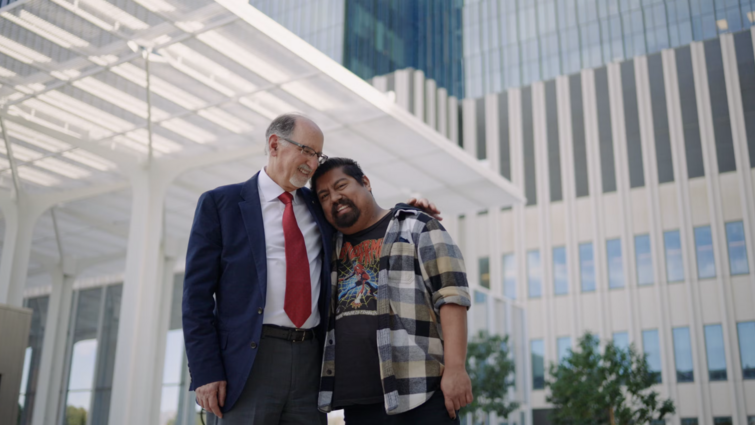
Dr. Anees Razzouk shares a heartfelt moment with Julio Avila. Avila's story stands as a testament to medical innovation, compassionate care, and the enduring power of second chances.
Dr. Anees Razzouk shares a heartfelt moment with Julio Avila. Avila's story stands as a testament to medical innovation, compassionate care, and the enduring power of second chances.
When Julio Avila was just two weeks old, doctors delivered news that would change his family’s life forever. He had been born with hypoplastic left heart syndrome, a rare and life-threatening congenital condition in which the left side of the heart does not fully develop. Without intervention, Avila would not survive.
In 1993, options for babies with this diagnosis were limited. At Loma Linda University Health, however, pediatric and congenital heart surgeons were pioneering infant heart transplantation, offering families hope when few alternatives existed.
Seventeen days after he was born, Avila received a new heart.
More than three decades later, that same heart would carry him back to the place where his life first began and to a second transplant that would once again give him a future.
A childhood made possible
Since Avila received his first heart transplant as a newborn, he has no memory of the surgery itself. What he does remember is something many transplant patients never get: a childhood that felt normal.
“I got to live my life as a kid,” Avila says. “I wasn’t constantly in the hospital. I went to school, I played, I had friends. For a long time, I didn’t feel different.”
That outcome was once considered remarkable. According to Anees Razzouk, MD, a pediatric and congenital heart surgeon at Loma Linda University Health, infant heart transplantation was still evolving when Avila was born.
“In the early 1990s, hypoplastic left heart syndrome was often fatal,” Razzouk says. “At that time, transplantation offered some children the best chance at a full, active life.”
Avila’s transplant allowed his heart to function normally with two working ventricles; something reconstructive surgeries at the time could not reliably achieve. As he grew, his body adapted remarkably well. For years, he needed only routine follow-ups and medications to suppress rejection.
When the heart begins to fail
In his late twenties, subtle changes began to appear. Avila noticed he was more fatigued, short of breath, and struggling with everyday activities. Eventually, he began coughing up blood, a sign something was seriously wrong.
Doctors later determined that Avila had developed graft vasculopathy, a condition in which the blood vessels of a transplanted heart gradually narrow over time. It is one of the most common reasons transplant recipients eventually need a second heart.
“Transplantation is not a cure, it’s a lifelong journey,” Razzouk says. “Every episode of rejection, inflammation, or interruption in medication can affect how long a transplanted heart lasts.”
Avila’s situation was complicated by gaps in insurance coverage during early adulthood, which led to lapses in access to essential anti-rejection medications — a reality many transplant patients face.
By early 2024, Avila’s heart was failing.
“There was no question where I needed to go,” Avila says. “Loma Linda felt like home. They’d been there since the beginning.”
A rare full-circle moment
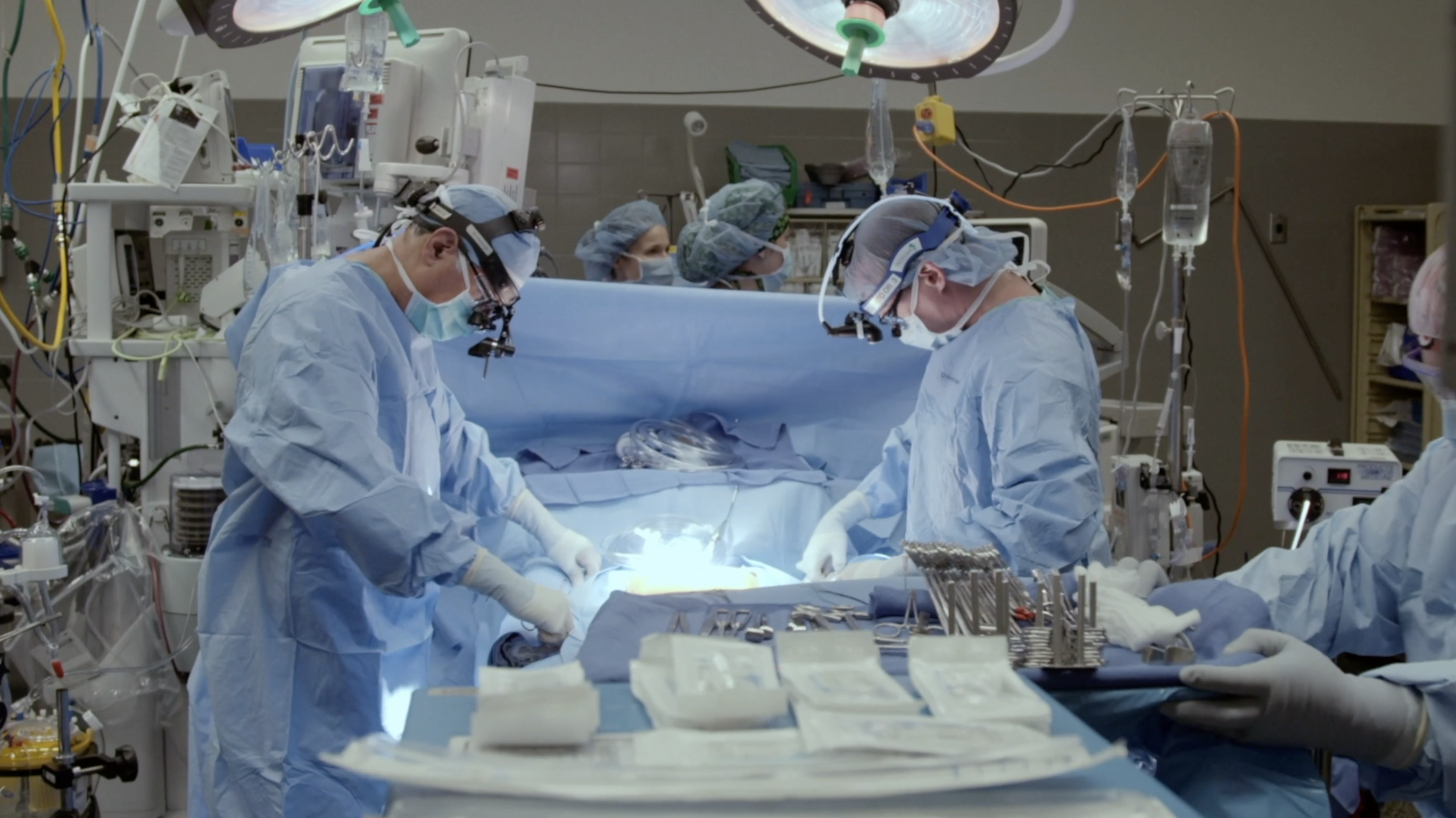
In April 2025, more than 30 years after his first transplant, Avila underwent his second heart transplant at Loma Linda University Health.
For Razzouk, the moment carried rare significance. "It's not common for a surgeon to be involved in a patient’s care across more than three decades,” he says. “To see someone transplanted as a newborn and then again as an adult — that’s incredibly meaningful.”
Avila’s recovery was demanding, both physically and emotionally. He spent weeks rebuilding strength, relearning endurance, and confronting the weight of receiving a second donated heart.
“There’s gratitude, but there’s also survivor’s guilt,” Avila says. “You think about everyone still waiting. You wonder why you got another chance.”
That reflection has shaped how he approaches life now, with deeper intention, advocacy, and commitment to his health.
Honoring the gift of life
Both Avila and his care team emphasize that behind every transplant is an extraordinary act of generosity.
“Donor families are the true heroes of transplantation,” Razzouk said. “In the darkest moments of their lives, they choose to give someone else a future. There are no words that fully express that gift.”
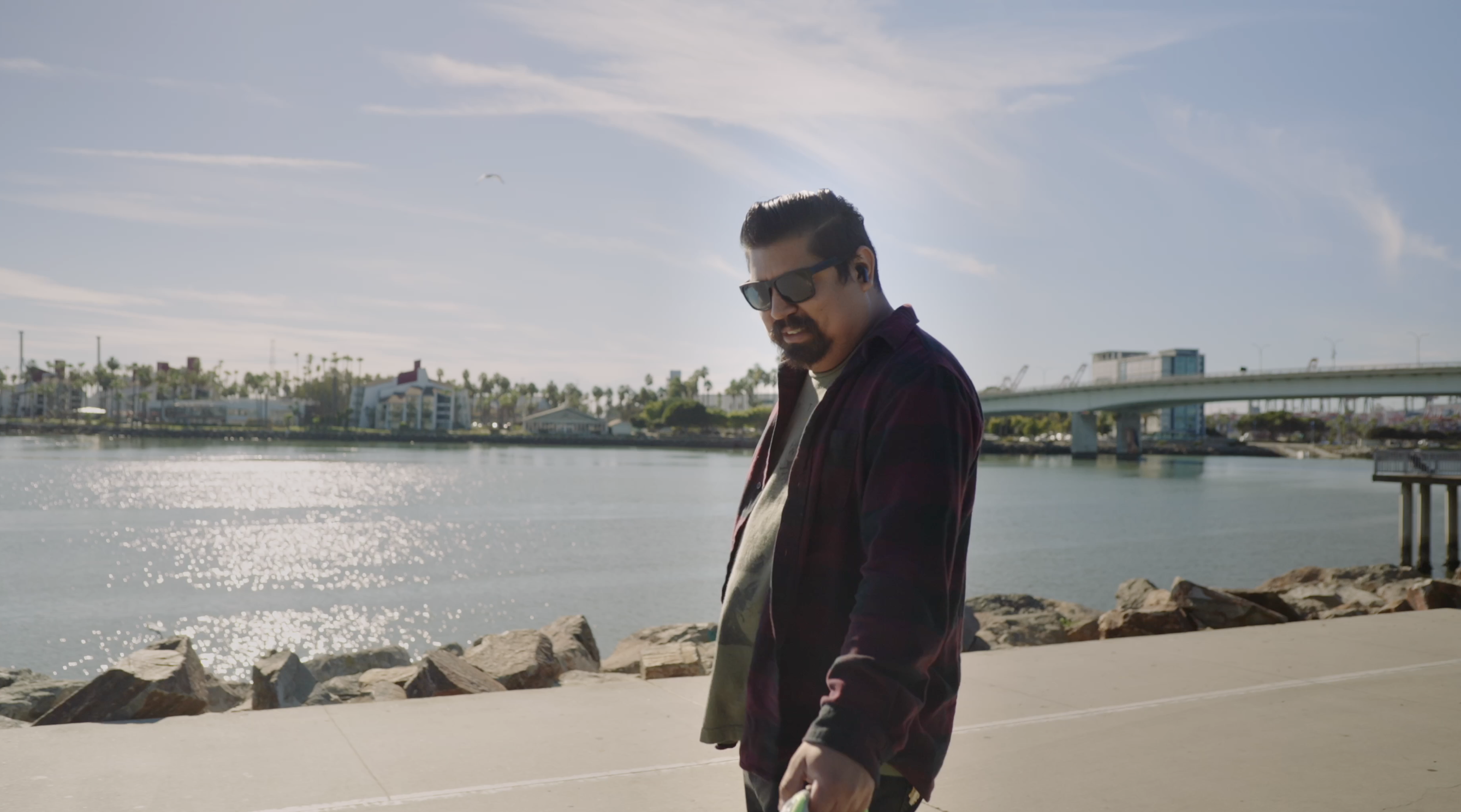
Today, Avila is focused on healing, staying healthy, and using his experience to raise awareness about organ donation, lifelong transplant care, and the importance of access to medication and follow-up.
“I’ve been given two chances at life,” Avila says. “I don’t take that lightly.”
A legacy of heart care
For more than six decades, Loma Linda University Health has been a leader in pediatric and congenital heart care caring for patients from infancy through adulthood and walking alongside families through every stage of life.
“From the moment parents place their trust in us, we promise to walk the journey with them,” Razzouk said. “Julio’s story is a reminder of why that commitment matters.”
American Heart Month is observed every February and shines a light on prevention, treatment, and hope. Avila’s story stands as a testament to medical innovation, compassionate care, and the enduring power of second chances. Learn more about the world-class heart care provided for infants, children, and adolescents.

Heart Health Awareness
Choose a Heart Healthy Future
More stories about: Heart & Vascular Heart patients
Related Articles