LLLUMC’s newest treatment is bringing new hope to patients with advanced prostate cancer
LLLUMC’s newest treatment is bringing new hope to patients with advanced prostate cancer
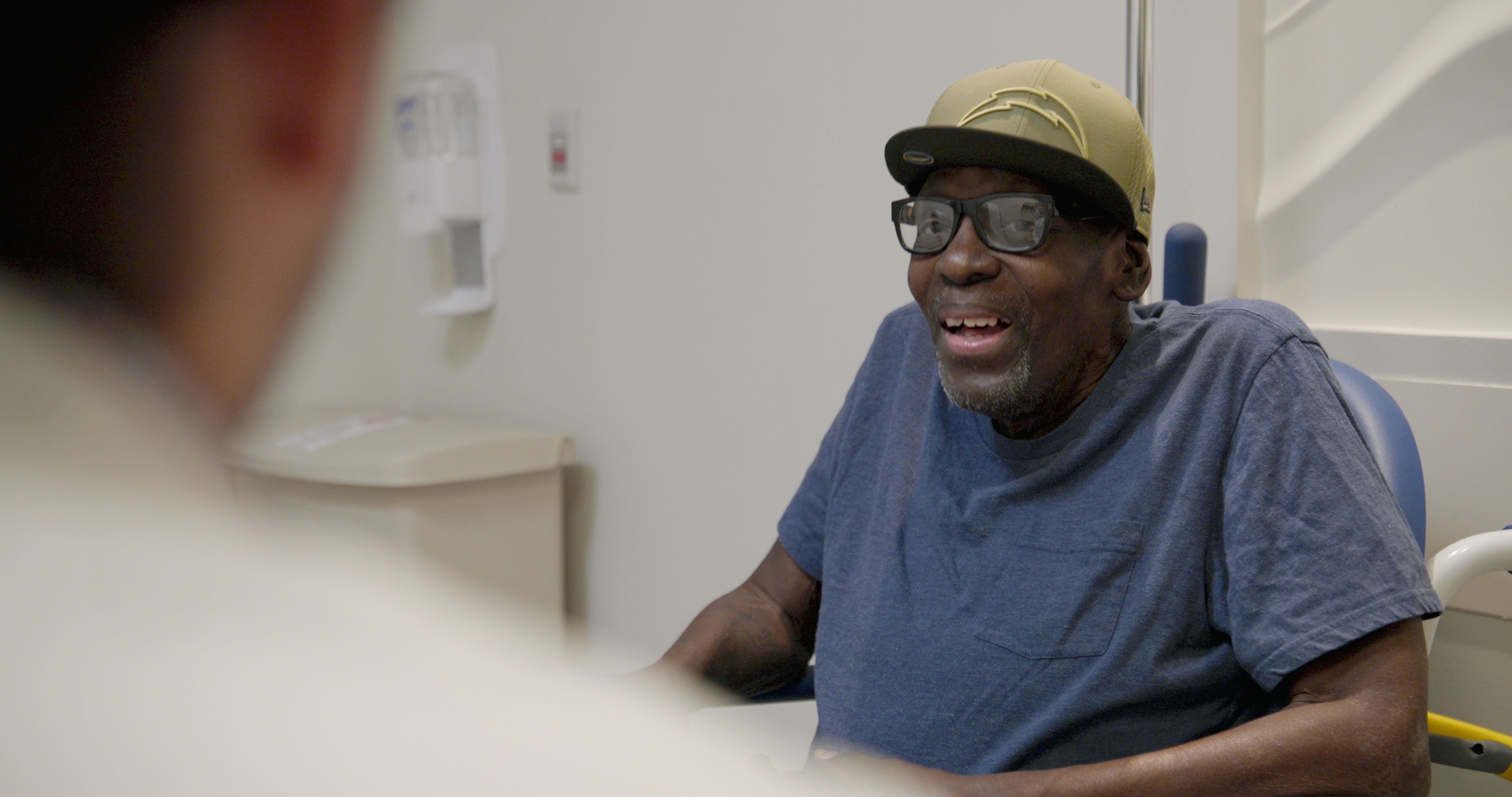
Edwin Smith has always been active. As a lifelong athlete and youth football coach, he spent much of his time on the field mentoring young athletes.
That's why, one day in 2017, when the then-54-year-old husband and father of four found himself unable to move, it was so alarming.
Prostate cancer diagnosis
Smith worked as a pipe fitter for 17 years and, at the time, was working as a plant operator, a job he recalls being arduous but easy to perform until that particular day.
"I remember telling my boss, 'Hey, I'm going to go home. I'm not feeling well, and my body is not acting right,’ " Smith says.
Smith visited his doctor, where testing ultimately led to a referral to a urologist and a prostate cancer diagnosis.
"I don't have cancer. I feel great," Smith remembers saying. He was shocked and believed there must have been a mistake because he didn't feel seriously ill.
Shortly after receiving his diagnosis, Smith began radiation and chemotherapy treatments. Initially, those treatments were effective, allowing him to return to coaching football and many of his regular activities.
However, years later, after spending a Saturday at the football field, Smith returned home feeling weak and sore. During a follow-up visit with his care team, his oncologist discovered that his prostate-specific antigen (PSA) levels had risen dramatically.
Smith was referred to Eric Peters, MD, a radiologist at Loma Linda University Cancer Center, to determine whether he was eligible for a newer theranostic treatment known as Pluvicto®.
Smith’s theranostics treatment
Pluvicto® is a theranostic treatment for prostate cancer that targets cancer cells while minimizing damage to healthy tissue. This five-minute injection is administered intravenously, and patients typically receive it once every six weeks for a total of six doses.
Before starting treatment, patients undergo PSA testing and a PET (positron emission tomography) scan to determine the extent of their cancer and whether they qualify for therapy.
According to Peters, Smith's PSA level was among the highest he had seen. Not only were Smith's PSA levels concerning, but imaging revealed how extensively the cancer had spread.
"By the time Smith saw me, the cancer had spread extensively throughout his bones," Peters says.
After reviewing his case and determining he was eligible for the new treatment, the care team began the process.
The results were significant. With each dose, Smith's PSA levels continued to decline. By the end of his first treatment cycle, his PSA level had dropped by nearly 80%. His mobility improved, and much of the pain he had been experiencing subsided.
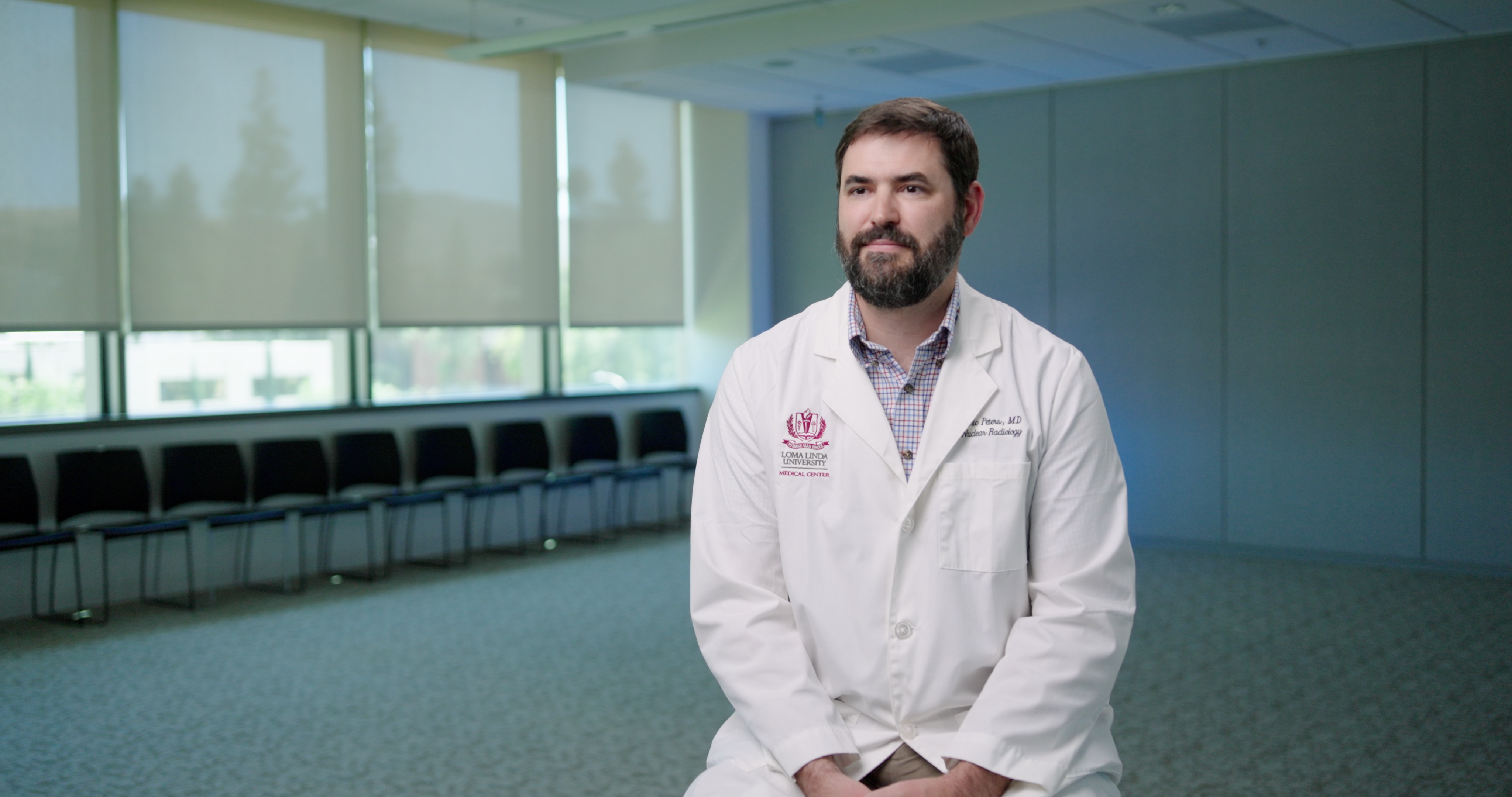
Eric Peters, MD
While Pluvicto® is not a cure, it is a powerful treatment option for patients whose prostate cancer has metastasized and spread to other parts of the body.
"Is it a full cure? Not yet," Peters says. "But it's working, and he's still here with us."
According to Peters, without receiving theranostics treatment, Smith likely would not have lived as long as he has because of how extensively the cancer had spread throughout his body.
Life Today
Smith is currently undergoing a second round of the targeted theranostics treatment.
"I hope we can continue to offer him this course of treatment and see his PSA level continue to decline," Peters says. "Most importantly, I hope I get to see him standing, jogging, and, of course, staying with us."
For Smith, the treatment has given him something priceless: more time.
He believes he is still here because God is not done with him yet and that his journey is far from over.
"My hope for the future is to be around to walk my daughter down the aisle and to see my son make it to the NFL," Smith says.
"That's all they ask of me. I've got to deliver that."
His Advice for Men
Smith hopes his experience encourages other men to stay on top of their prostate cancer screenings.
"If you catch it early, it's treatable," Smith says. "From everything I know now, it's treatable."
His message is simple: don't wait for symptoms to appear. Early screening can make all the difference.

Edwin Smith and his wife
Loma Linda University Health experts are committed to providing compassionate, comprehensive, and personalized care throughout your prostate cancer screening journey. Make an appointment for a prostate cancer screening for you or a loved one today.
More stories about: Prostate Cancer Men's Health Cancer patients Patient stories
Related Articles