

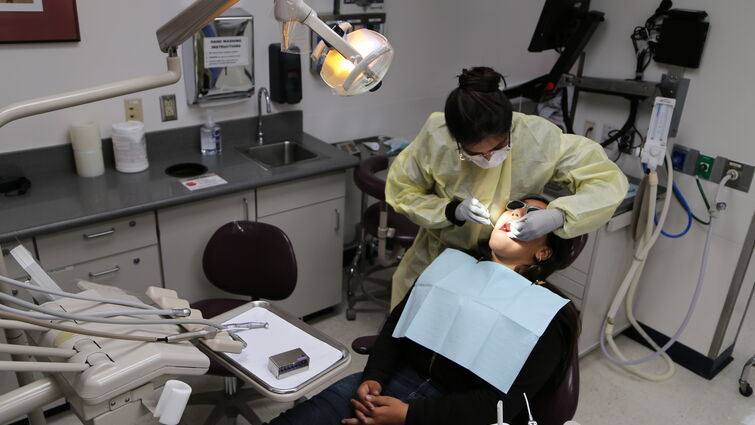
For many parents, oral hygiene is about cavities, braces, and the occasional lecture before bedtime about brushing just a little longer. Heart health, by contrast, feels like a separate category entirely, something managed in cardiology clinics, far from the dentist’s chair.
But for some children, especially those with certain heart conditions, the two are closely connected.
“Everyone has bacteria living in their mouth,” said Nicholas Dreger, MD, a pediatric cardiologist at Loma Linda University Children’s Hospital. “That’s normal. The issue is what happens when those bacteria grow out of control.”
Untreated cavities, gum disease, and chronic inflammation allow harmful bacteria to multiply. Sometimes, brushing, flossing, or dental procedures can then send those bacteria into the bloodstream. For most people with healthy hearts and immune systems, the body clears them without consequence.
For children with specific heart conditions, however, bacteria can pose a serious risk.
In some cases, bacteria traveling through the bloodstream can attach to vulnerable areas of the heart, such as prosthetic valves, surgical patches, or repaired tissue. The result can be infective endocarditis, a potentially life-threatening infection of the heart’s inner lining.
“It can require weeks of IV antibiotics, long hospital stays, and sometimes even repeat heart surgery,” Dreger said. “It’s not common, but when it happens, it’s very serious.”
Not every child with a history of heart surgery faces this risk. Pediatric cardiologists typically identify which patients need extra precautions — often those with valve replacements, certain congenital heart defects, or weakened immune systems.
Still, the preventive steps are surprisingly ordinary.
Dreger says regular brushing and flossing, routine dental visits, and limiting sugary foods and drinks play a central role in protecting heart health. Warning signs of dental trouble can include tooth pain, gum pain, and frequent bleeding during brushing or flossing, all indicators of inflammation or infection.
For higher-risk children, cardiologists may also recommend antibiotics before major dental procedures, such as extractions, to reduce the chance that bacteria will reach the heart.
Dentists typically coordinate this step by consulting the child’s cardiology team beforehand.
The broader message, Dreger said, is about prevention through consistency.
“It’s really about doing the little things every day,” he said. “If you take care of oral health consistently, you can avoid much bigger problems later on.”
In other words, heart protection doesn’t always begin with a stethoscope. Sometimes, it starts with a toothbrush.
Loma Linda University Children’s Hospital has been ranked among the Best Children’s Hospitals by U.S. News & World Report for 2025–2026 — 8th in California and 9th in the Pacific Region, with Pediatric Cardiology & Heart Surgery ranked No. 18 nationally.
Visit online for more information on cardiology & heart surgery at Children’s Hospital.
More stories about: Children’s Hospital Children's health
Related Articles